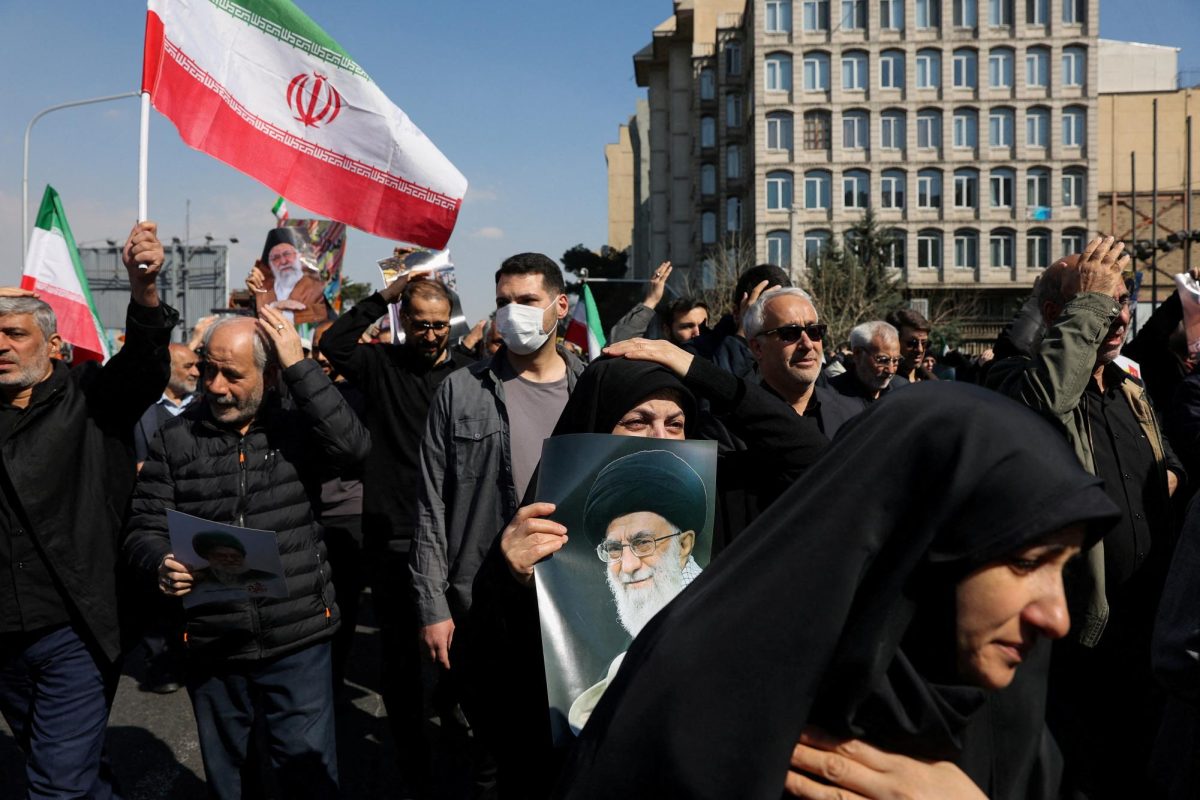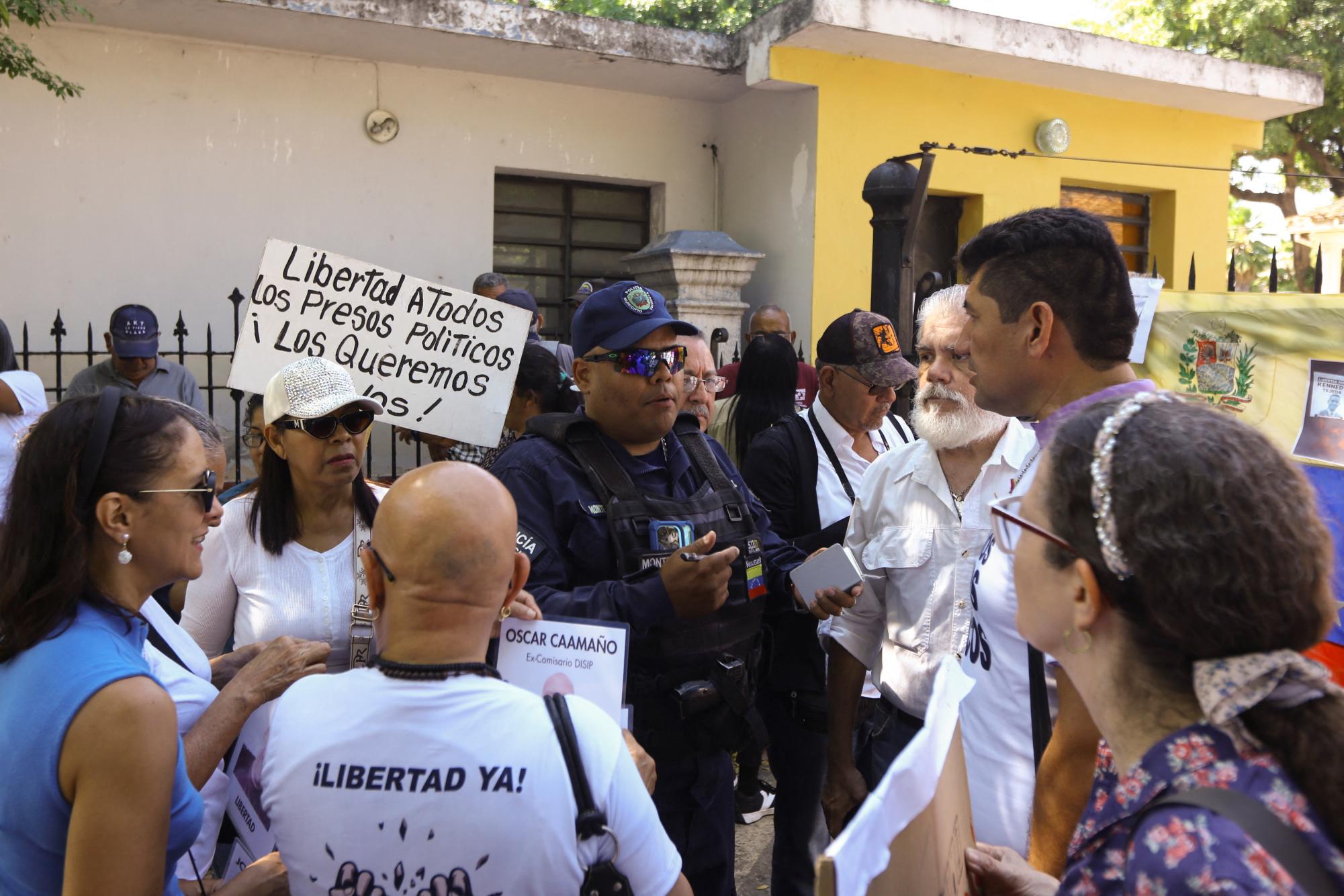
Streets filled with protesters and military personnel have become a familiar sight across Venezuela as political unrest continues to disrupt daily life.
Disorder in Venezuela has intensified in recent months, as citizens and students protest government leadership, responding to economic hardship, election disputes and human rights concerns. For Venezuelan students living in the United States, the unrest has created emotional stress, uncertainty and constant concern for loved ones still in Venezuela.
“The political unrest in Venezuela has affected the worries of my family members,” senior Andres Vasquez-Brito said. “This has also motivated other people around me to ask of what I think.”
With a recent U.S. military operation that captured Venezuelan President Nicolás Maduro and his wife in Caracas on Jan 3, 2026, the political crisis has entered a new and uncertain era.
“Personally, I feel great about the extradition of the Venezuelan dictator Maduro,” Vasquez-Brito said. “It’s the first step in dismantling the oppressive system (Chavista regime) that’s torturing my people.”
The Chavista regime is a left-winged political system in Venezuela, which was established by the late Hugo Chávez on Feb 2, 1999. The regime caused economic instability that continues to affect Venezuelan students abroad, who may worry about their family’s safety, financial security and the prospect of returning home.
Many think that this was not about capturing the drug-trafficker Maduro but about the copious amounts of oil reserves that reside in Venezuela.
“The people of Venezuela will be most affected by this,” geography teacher Shaun Behrens said. “The nation has not had stability since the late 20th century. It is one of the poorer nations in South America even though it has more oil reserves than any other nation on the planet. If no company or government steps up to rebuild Venezuela’s petroleum infrastructure, its oil exports profits will continue to underperform economically, and this will look like a historical geopolitical blunder by the United States.”
Some Venezuelans, including students that follow the situation closely, believe the operation may have been motivated by Venezuela’s oil reserves rather than solely Maduro’s arrest.
“I felt the impact of this political situation the most, the night of,” Vasquez-Brito said. “No one fathomed that there was a chance of escape from the murderous regime, and though it was not an operation explicitly stated to be for a regime change, it gave the people hope.”
That moment marked a turning point for many Venezuelan students, transforming fear and disbelief into cautious optimism about what the unrest could mean for their families and futures. The political unrest has brought hope to many students and citizens inside and outside of Venezuela, though that hope is often mixed with uncertainty about what comes next.
“The only change I see happening somewhat soon is my family moving back,” Vasquez-Brito said. “If the Chavista regime is fully wiped.”
The U.S. forces brought Maduro to New York to face federal charges, prompting international debate over legality and Venezuela’s future leadership. Venezuelans both in and outside of the country have reacted with hope, fear and widespread protest as they are unsure with what will come next.
“From a strictly geopolitical point-of-view, President Nicolas Maduro should have left office in Nov of 2024,” Behrens said. “He did not. So, to get him out of office, a nation might mount a “take back” of the office, via peaceful or violent demonstrations. They might ask another nation for help, which is not the case.”
The shakiness of the political side makes Vasquez-Brito worry over what is to come and how things may turn out.
“I see the effects of the unrest most clearly in my family and the community back in Venezuela,” Vasquez-Brito said. “Expression of joy is clearly more accepted here, but back in Venezuela the people are anxious to go out in the streets and celebrate as the military is still active.”
For Venezuelan students living outside the country, the situation has created a mix of relief and anxiety. While recent events have sparked hope for change, uncertainty remains, especially for students balancing school life while worrying about family safety and Venezuela’s future.