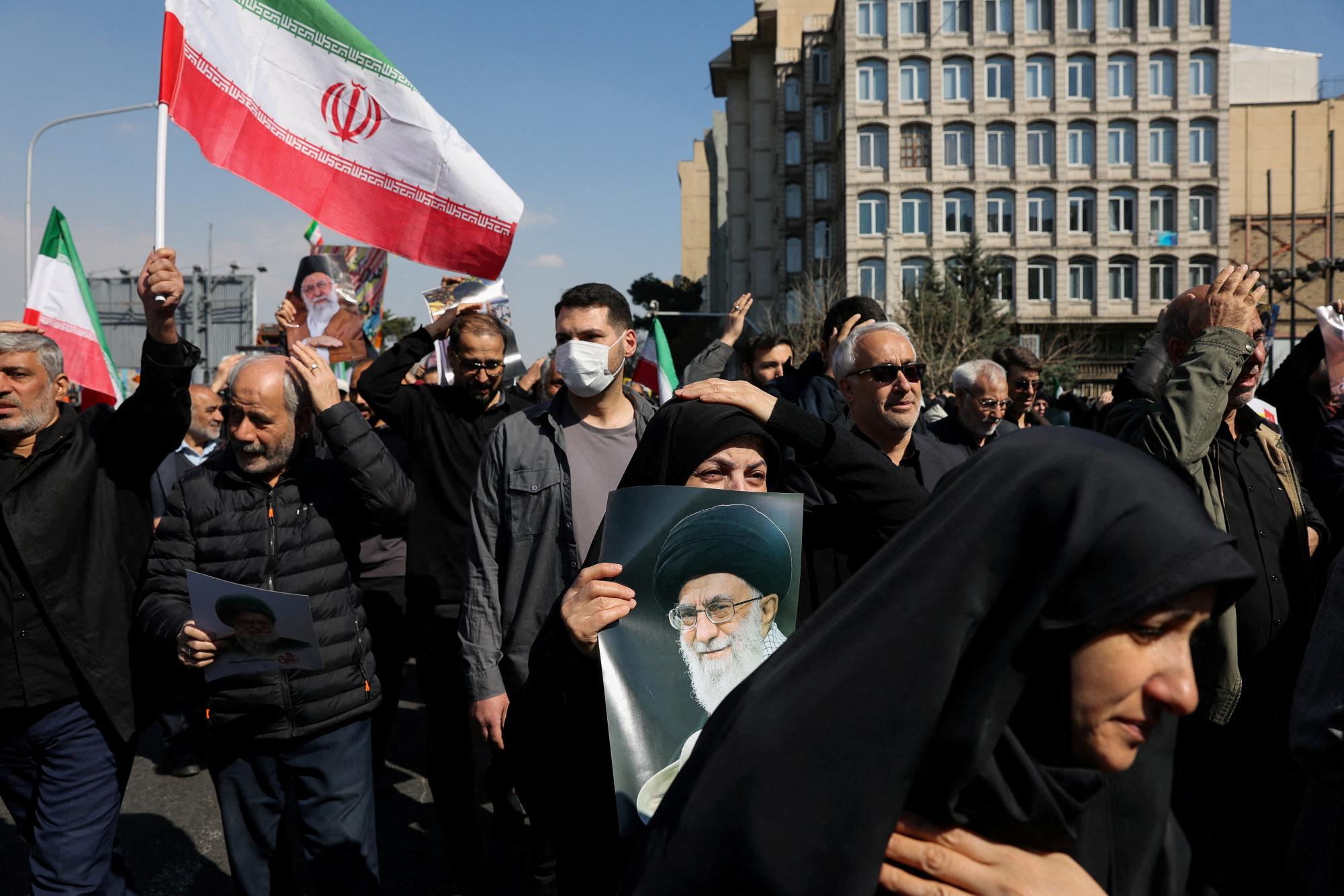

As the United States enters a conflict with Iran, both countries prepare for destabilization within the government and a change in politics. Many Americans may worry about higher gas prices, deployment and our foreign relations. But this creates a deeper issue for the women of Iran and what their future entails.
The women of Iran have been oppressed for decades under the theocratic regime led by the supreme leader Ali Khamenei, but his assassination raises questions about the future of women’s rights in the country under the new, potentially American-sponsored, regime.
The harsh laws passed under Khamenei’s rule regarding females’ bodily autonomy have sparked international controversy. One particular law called ‘Law on Protecting the Family through the Promotion of the Culture of Chastity and Hijab’ has restricted Iranians freedom of speech.
According to Amnesty.org, ‘In a dangerous escalation, the law permits the imposition of the death penalty for peaceful activism against Iran’s discriminatory compulsory veiling laws.’
This law, along with others, implements strict regulation on travel, expression, education and employment, while imposing harsh prison sentences, flogging and fines for women who choose to defy it.
“This shameful law intensifies the persecution of women and girls for daring to stand up for their rights following the ‘Woman Life Freedom’ uprising,” Amnesty International’s MENA deputy regional director Diana Eltahawy said. “The authorities are seeking to entrench the already suffocating system of repression against women and girls while making their daily lives even more intolerable.”
Following the death of the supreme leader, Iranians and Americans alike question what the future entails for the women of Iran. This is particularly important for senior Amina Gedo, a Muslim American woman who disagrees with Islam being weaponized against women.
“I feel like men should not be controlling women because it makes the religion look really bad when it’s just men trying to do misogynistic things,” senior Amina Gedo said.
Still, there are major concerns on the morality of this regime change.
“I feel like the US should not be associated with this at all because it originally just Iran’s and Israel’s war, and now we are just fighting Israel’s war for them,” Gedo said.
Many worry about US intervention within the future government of Iran, especial with vice president J.D Vance’s comments.
“His latest public comments on Iran were at odds with the anti-interventionist policies that helped define his identity as he rose in the Republic party,” New York Times reporter Katie Rogers said. “Mr. Trump and Mr. Vance now seem to have little claim to being the ‘pro-peace ticket’ they championed as candidates in 2024.”
Foreign funded coups have destabilized nations around the world. This destabilization often leads to the loss of human rights, with women being the one first victims.
For example, the Office of the United Nations High Commissioner for Human rights mentioned that during the 2021 military coup in Myanmar, members of resistance forces abused women, girls, and LGBT people. Survivors of sexual and gender-based violence struggled to seek the support they needed, a fate likely for Iranian women.
Yet President Donald Trump reassures that there will be no US intervention.
“When we are finished, take over your government,” Trump said. “It will be yours to take.”
Although the future of women’s rights in this region is unforeseen, Americans are hoping for stability in the government and an improvement to women’s rights.
“I hope women get rights and I hope they have a revolution to fight for their rights like we did here,” Gedo said. “Even if there are some casualties, it’s for the better.”